
 02 7966 0200
 info@buildland.au
The construction and design landscape continues to evolve, with 2025 set to bring innovative materials, sustainability-driven choices, and bold architectural statements. Across residential, commercial, and industrial construction, we’re seeing an increased focus on functionality, aesthetics, and long-term adaptability. From sculptural ceilings to cutting-edge building materials, here’s a look at the trends shaping modern Australian construction.
1. Sculptural Ceilings Make a Statement
Ceilings are no longer just functional—they’re becoming an architectural highlight in commercial buildings and multi-residential foyers. In 2025, expect to see:
– Bold geometric forms in offices and retail spaces, enhancing brand identity and visual appeal.
– Layered and curved ceiling structures creating fluid, dynamic interiors.
– Integrated lighting and acoustic panels adding both ambience and functionality, particularly in large- scale residential lobbies.
– Sustainable materials such as timber battens and perforated metal panels, offering both aesthetics and eco-conscious benefits.
These sculptural ceilings set the tone for a space, offering an immersive experience while enhancing acoustics and energy efficiency.
2. Innovative Building Materials Take Centre Stage
The push for sustainability and durability has led to a surge in new and repurposed building materials, including:
– Carbon-neutral concrete reducing emissions while maintaining strength.
– Cross-laminated timber (CLT), favoured for its sustainability and structural efficiency.
– Recycled and upcycled materials, such as repurposed bricks and composite panels, promoting circular economy principles.
– Smart glass technologies, adjusting transparency based on light conditions for energy savings and thermal comfort.
Incorporating these materials into commercial and residential builds ensures both modern design and long-term environmental responsibility.
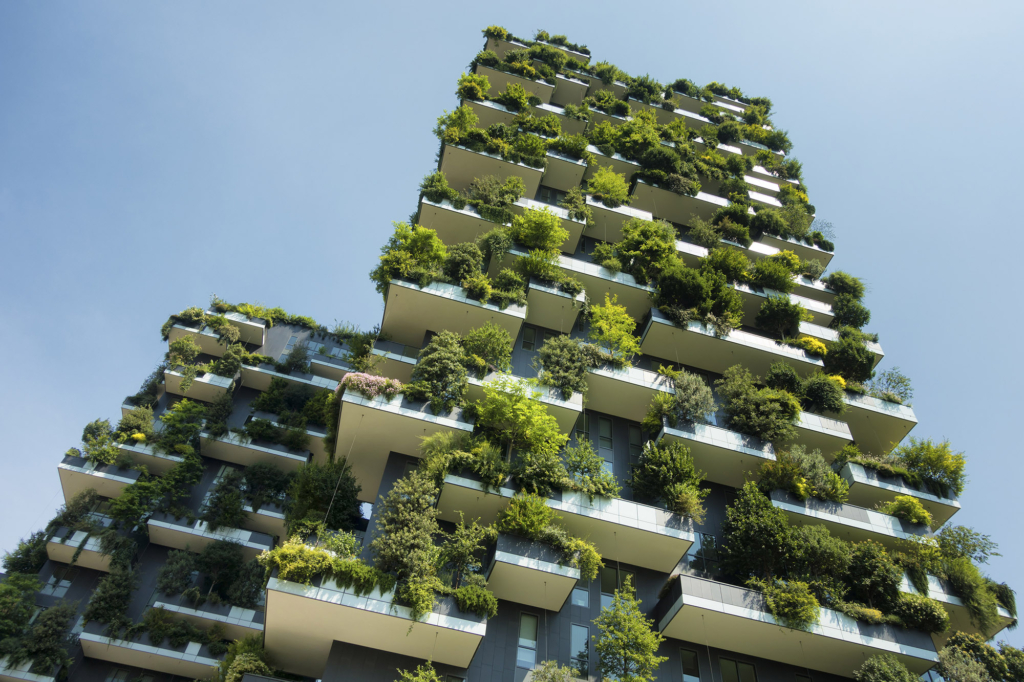
3. Biophilic Design & Green Spaces Continue to Dominate
Connecting buildings with nature remains a top priority in commercial offices, mixed-use developments, and high-density residential projects. In 2025, we’ll see:
– Lush vertical gardens and rooftop greenery maximising urban space.
– Indoor-outdoor fluidity, incorporating courtyards, open-air lobbies, and large retractable doors.
– Natural ventilation strategies, minimising reliance on mechanical cooling.
– Timber and stone finishes adding warmth and an organic touch to interiors.
With rising urban density, these nature-inspired elements bring balance, improve air quality, and enhance the wellbeing of occupants.
4. Adaptive Spaces & Modular Design for Future Flexibility
The way people live, work, and interact with spaces is changing, pushing architects to design for adaptability. Key shifts include:
– Multi-functional residential spaces, where apartments offer moveable walls, concealed workstations, and convertible rooms.
– Commercial spaces with flexible layouts, allowing businesses to scale and adjust with minimal structural changes.
– Prefabricated and modular construction, ensuring faster project delivery and minimal on-site waste.
This approach ensures longevity in building design, allowing spaces to evolve without major structural overhauls.
5. Smart Technology & Automation Enhancing Efficiency
Tech-driven buildings are becoming the norm, particularly in industrial, commercial, and residential projects. Expect to see:
– Automated climate control systems that adjust based on occupancy and weather.
– AI-driven energy management to track and reduce operational costs.
– Smart security integrations, such as facial recognition and keyless entry.
– Voice-activated and app-controlled building functions, making residential living more seamless.
With advancements in AI and IoT (Internet of Things), smart buildings will become more responsive, efficient, and cost-effective.
From sculptural ceilings making bold design statements to innovative materials reshaping sustainability, the construction industry in Australia is embracing forward-thinking trends in 2025. As projects evolve, the focus remains on efficiency, adaptability, and aesthetic impact – creating buildings that meet both current and future demands.
At Buildland, we integrate the latest design and construction innovations into every project. Get in touch on 02 7966 0200 or email info@buildland.au to discuss your next multi-residential, commercial or industrial build.